Know what it
should cost.
Costnyx builds bottom-up should-cost models from your engineering drawings and shows buyers exactly where each quote is padded.

The gap is the negotiation.
Most buyers negotiate from last year's price. Costnyx builds the price from material, cycle time, machine rates, SGA and profit, then puts the supplier's number next to it.
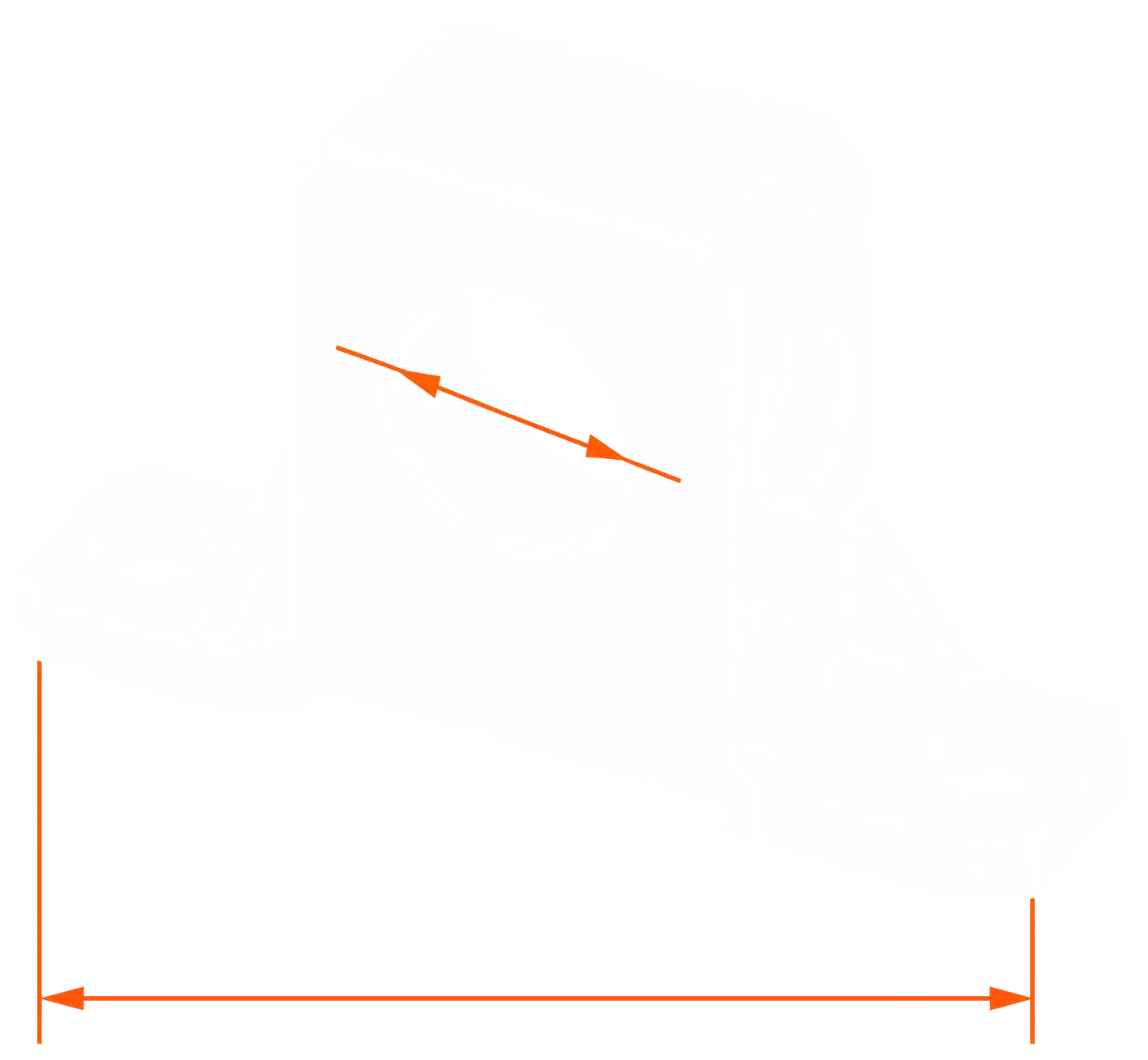
A machined motor mount. Two defensible targets, one padded quote.
From drawing to cost model in minutes
Upload a BOM and its drawings. AI vision reads the title block and dimension callouts for geometry, material and features, citing the callout behind each value; your team confirms every one, and the cost engine prices material, production, SGA and profit line by line.
Negotiation scripts your buyers can defend
Every talking point is anchored to a line in the cost stack. When a supplier pushes back on price, your buyer answers with cycle times and machine rates instead of gut feel.
One system from first flag to signed savings
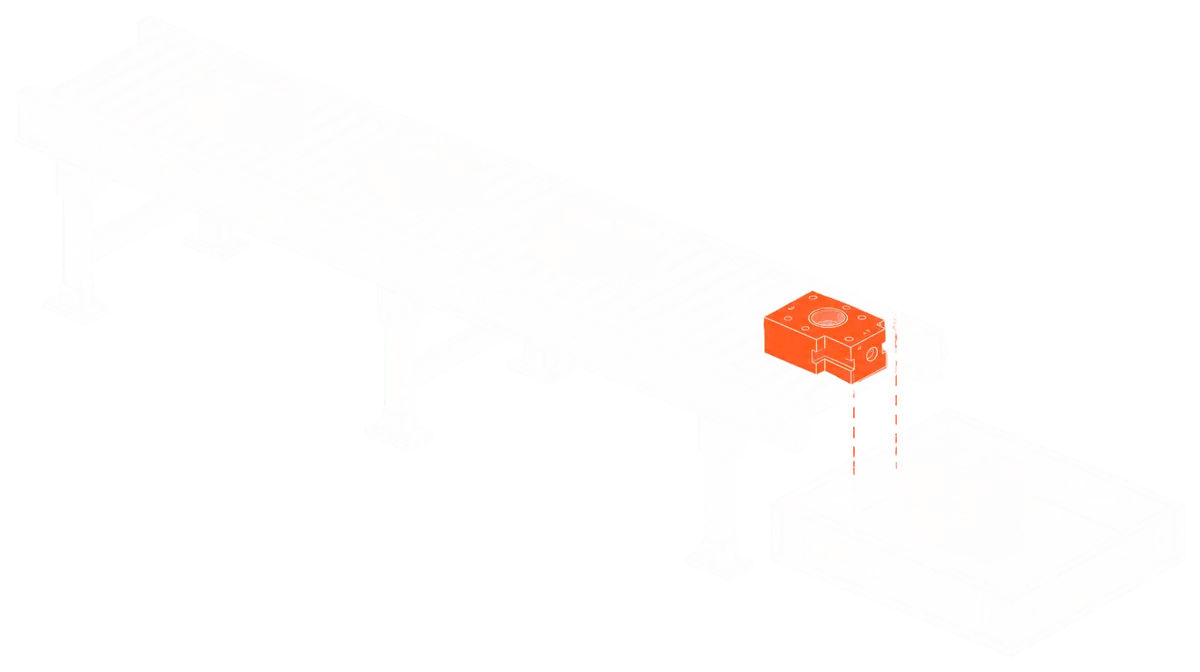
Savings pipeline
Every flagged part moves across one board, from first flag to realized savings.
Finance sign-off
Controllers approve savings with the full audit trail behind every number.
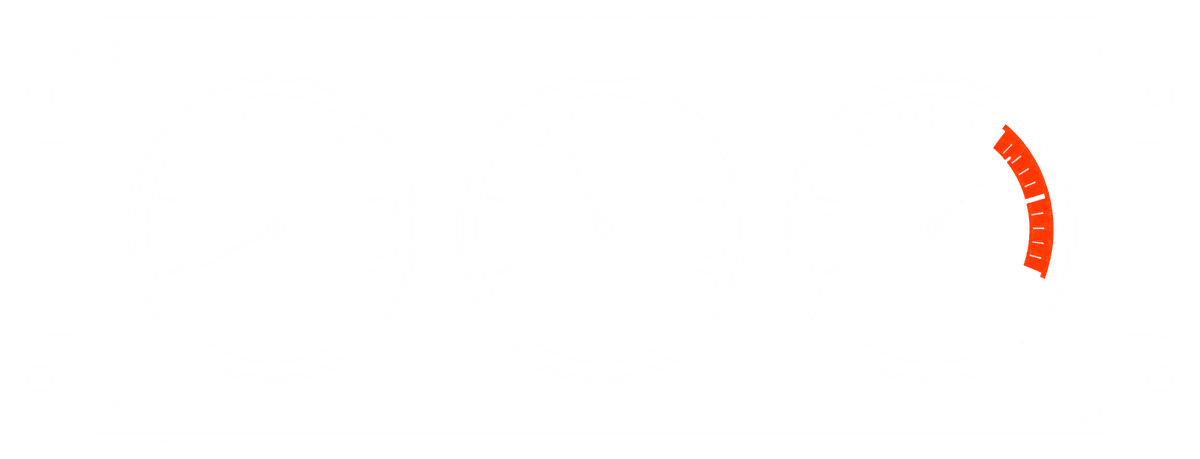
Supplier scorecards
See which suppliers quote close to should-cost, and which ones pad.
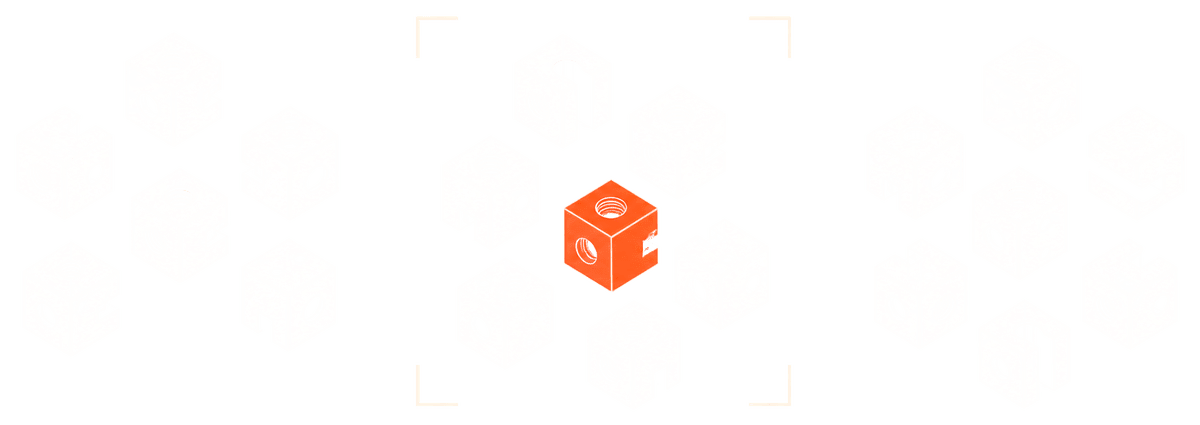
Portfolio clusters
Group parts by cost cluster to find commonization candidates.
Three steps to the first flagged part
Upload
Bring a BOM as Excel or CSV and drawings as PDF, or point Costnyx at a SharePoint folder and let it sync.
Review
Check the extraction, confirm drawing matches, and watch the should-cost build itself part by part.
Negotiate
Send buyers in with a script, track counters, and route the savings to finance for sign-off.
Questions procurement teams ask
What is a should-cost estimate?
A bottom-up calculation of what a part should cost to manufacture: material, production time, machine rates, overhead (SGA) and profit. Costnyx builds a Greenfield should-cost directly from the engineering drawing, independent of any supplier price history.
How does Costnyx read engineering drawings?
An AI vision model reads the title block and dimension callouts to extract the part’s geometry, material and features from PDF drawings. Each extracted value carries a confidence level and a citation to the callout it came from, and your team confirms or corrects it before costs are calculated.
What is the difference between a Greenfield and a Brownfield cost?
Greenfield is the ideal-plant should-cost built from the drawing alone. Brownfield adjusts that number for the supplier’s actual plant using OEE, regional labor adjustment and scrap rate. Costnyx shows both next to the supplier quote.
What do I need to get started?
A bill of materials in Excel or CSV and part drawings as PDFs. You can upload files directly or connect a SharePoint or OneDrive folder and let Costnyx sync it.
Which manufacturing processes are covered?
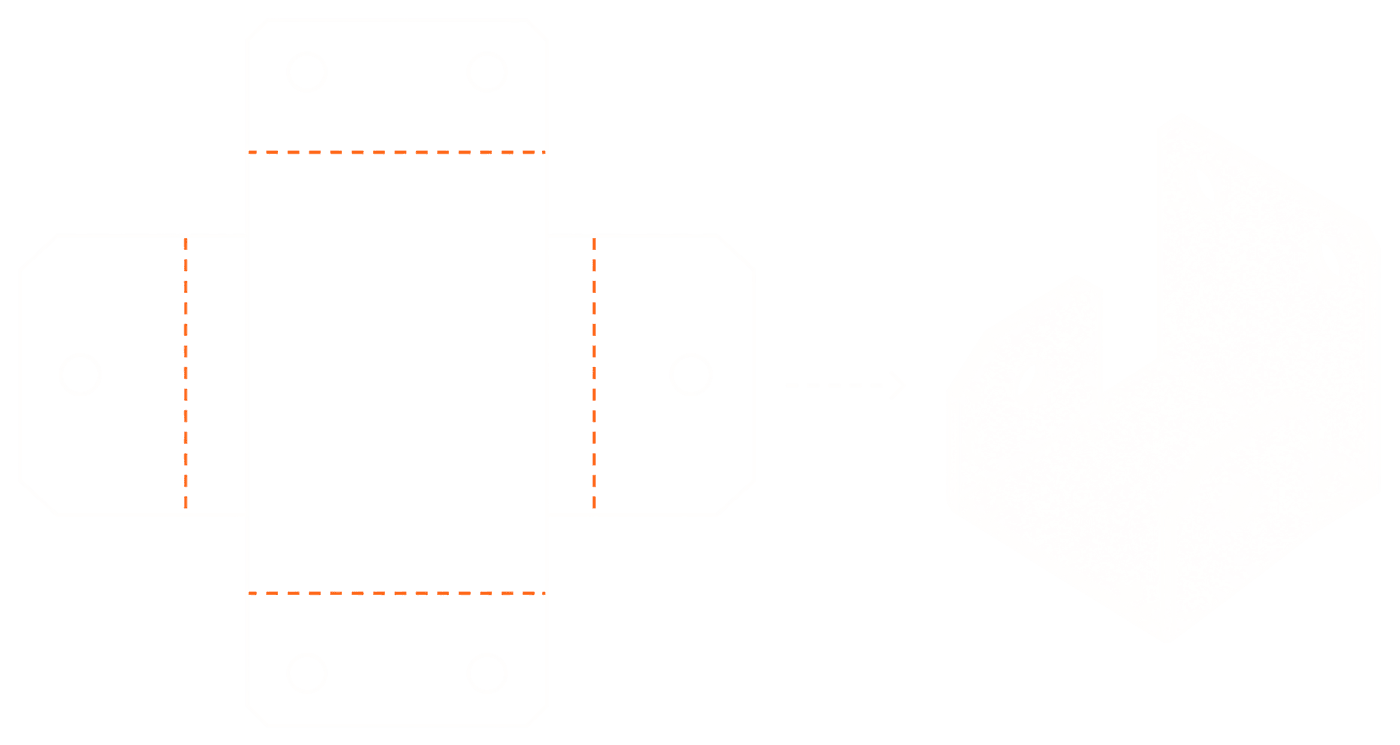
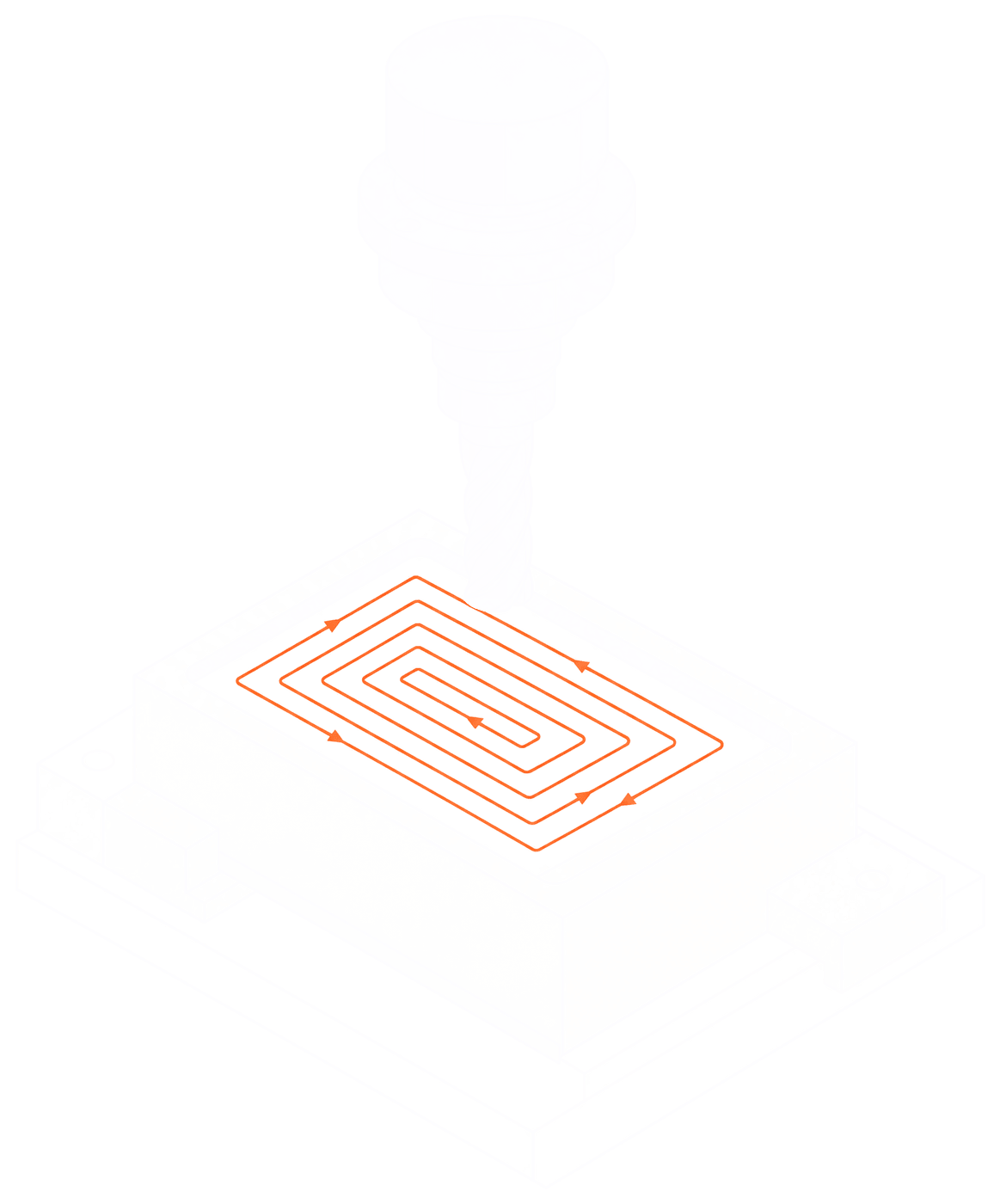
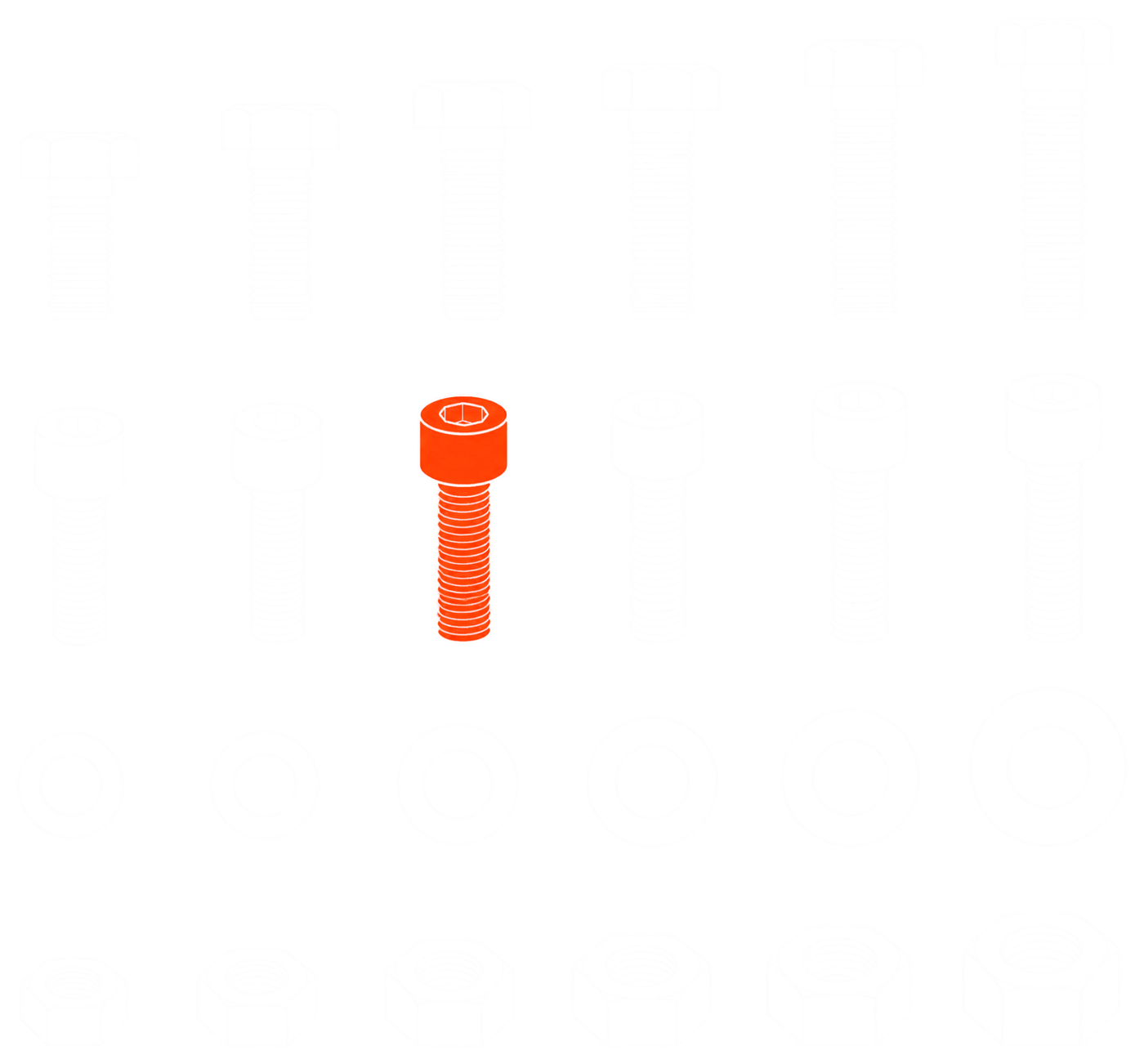
Sheet metal fabrication and CNC machining today, plus catalog parts such as fasteners. More processes are on the roadmap.
How do suppliers take part?
You send an invite link. Suppliers enter their rates in a short guided form, no account required, and Costnyx re-costs your parts at that supplier’s rates so you can compare plants side by side.
What happens when a quote comes in below should-cost?
Costnyx flags it rather than treating it as a win. The platform walks the buyer through validating a below-Greenfield price, because a quote you cannot explain is a supply risk.
Does Costnyx integrate with SAP?
SAP S/4HANA integration is planned for the Enterprise tier. Today Costnyx works from Excel uploads and SharePoint or OneDrive folder sync.
Who makes Costnyx?
Costnyx is a product of Wiens Corporation, an engineering consulting and product development firm in Suwanee, Georgia. Wiens also builds OptiTower and Stationyx.
See your first gap this week.
Upload one BOM. If nothing gets flagged,
your suppliers price fairly, and you can prove it.